High purityexo-1,3-β-D-GlucanaseTrichodermasp. + β-Glucosidase (Aspergillus niger) for use in research, biochemical enzyme assays andin vitrodiagnostic analysis.
Unit definition: One Unit ofexo-1,3-β-glucanase activity is defined as the amount of enzyme required to release one μmole of glucose reducing-sugar equivalents per minute from laminarin (10 mg/mL) in sodium acetate buffer (100 mM), pH 4.0 at 40oC.
One Unit of β-glucosidase activity is defined as the amount of enzyme required to release one μmole ofp-nitrophenol per minute from 4-nitrophenyl-β-D-glucpyranoside in sodium acetate buffer (100 mM), pH 4.0 at 40oC.
Specificity: exo-1,3-β-glucanase:Successive hydrolysis of β-D-glucose units from the non-reducing ends of (1,3)-β-D-glucans, releasing α-glucose.
β-glucosidase:Hydrolysis of terminal, non-reducing β-D-glucosyl residues with release of β-D-glucose.
Applications: For use in the determination of (1,3)(1,4) β-glucan.
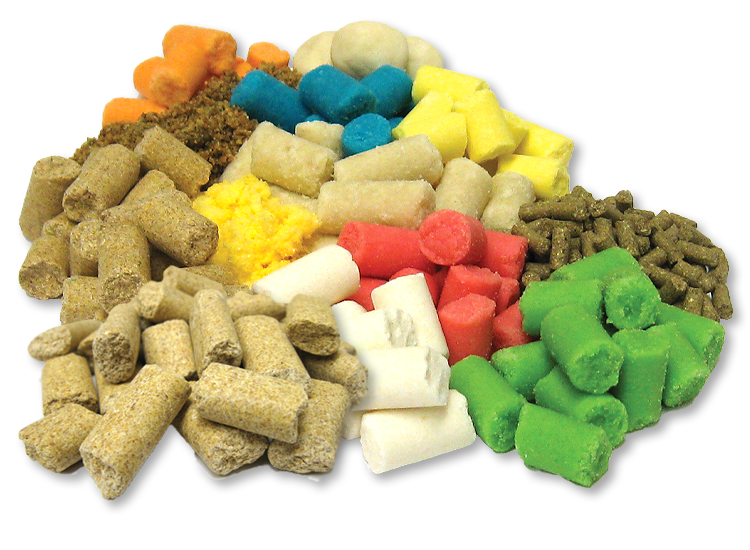
Diet can be a useful tool to induce or accelerate atherosclerosis in laboratory animal models. Key dietary features used to induce atherosclerosis in rodents vary depending on the research model, desired endpoint, and length of feeding. While formulations of atherogenic diets continue to evolve, the options that are well-described in the literature are summarized below. For more information on each diet option and literature references see the expandable tabs following the diet table.
Research use
Key dietary features
Examples
“Western” purified atherogenic diet
Accelerated hypercholesterolemia and plaque formation in genetically modified models such as Apoe and Ldlr deficient mice.
Used for diet induced obesity in a variety of rodent models.
High fat diet (20 – 23% by weight; 40 – 45% kcal from fat)
Saturated fatty acids (SFA >60% of total fatty acids)
*Sodium cholate or cholic acid aid cholesterol and fat absorption and reduce cholesterol disposal via bile acid synthesis. However, if including a cholate source is not desired for your research, diets without cholate are available.
“Western” purified atherogenic diet
“Western” style diets are fed to genetically-modified cardiovascular models, such as Apoe and Ldlr deficient mice, to accelerate and enhance hypercholesterolemia and plaque formation and to elicit phenotypes commonly associated with metabolic syndrome. Within the atherogenic literature, a “Western” diet typically is described as a purified rodent diet with 20-23% milkfat/butterfat, 0.2% total cholesterol, and 34% sucrose by weight. TD.88137 is an example of a “Western” style diet that was originally designed to characterize and enhance atherosclerosis development in a newly generated Apoe-deficient mouse model. Contact us for more information about “Western” style diets, modifications, or possible control diets.
Examples:
TD.88137 Adjusted calories diet (42% from fat, 0.2% total cholesterol)
TD.10885 45% fat Kcal diet (0.2% total cholesterol)
Research use:
Accelerated hypercholesterolemia and plaque formation in genetically-modified models, such as Apoe and Ldlr deficient mice.
Used for diet-induced obesity in a variety of rodent models.
Key dietary features:
High Fat Diet (20-23% by weight; 40 – 45% kcal from fat)
Saturated fatty acids (SFA >60% of total fatty acids)
Milkfat/butterfat
Sucrose (34% by weight)
Cholesterol (0.2% total)
References:
Febbraio, M., et al., Targeted disruption of the class B scavenger receptor CD36 protects against atherosclerotic lesion development in mice. J Clin Invest, 2000. 105(8): p. 1049-56.
Huszar, D., et al., Increased LDL cholesterol and atherosclerosis in LDL receptor-deficient mice with attenuated expression of scavenger receptor B1. Arterioscler Thromb Vasc Biol, 2000. 20(4): p. 1068-73.
Nakashima, Y., et al., ApoE-deficient mice develop lesions of all phases of atherosclerosis throughout the arterial tree. Arterioscler Thromb, 1994. 14(1): p. 133-40.
Nakashima, Y., et al., Upregulation of VCAM-1 and ICAM-1 at atherosclerosis-prone sites on the endothelium in the ApoE-deficient mouse. Arterioscler Thromb Vasc Biol, 1998. 18(5): p. 842-51.
Plump, A.S., et al., Severe hypercholesterolemia and atherosclerosis in apolipoprotein E-deficient mice created by homologous recombination in ES cells. Cell, 1992. 71(2): p. 343-53.
Towler, D.A., et al., Diet-induced diabetes activates an osteogenic gene regulatory program in the aortas of low density lipoprotein receptor-deficient mice. J Biol Chem, 1998. 273(46): p. 30427-34.
Tsuchiya, K., et al., FoxOs integrate pleiotropic actions of insulin in vascular endothelium to protect mice from atherosclerosis. Cell Metab, 2012. 15(3): p. 372-81.
“Western” purified atherogenic diet with added cholesterol and cholate source*
Wild type mice and rats generally are resistant to atherosclerosis, requiring more extreme dietary manipulation to modify lipoprotein profiles and develop mild atherosclerosis (foam cells, fatty streaks). Modern formulations are made completely of purified ingredients because this more refined approach has been reported to decrease the incidence of gallstones and liver damage associated with less refined and more traditional dietary approaches. To induce mild atherosclerosis in wild type animals, the “Western” purified diet can be modified to increase cholesterol (1-1.25%) and add a bile salt such as sodium cholate or cholic acid. Contact us for more information, modifications, or possible control diets.
Examples of purified high fat diets with added cholesterol and cholate source*:
Induce hypercholesterolemia and mild atherosclerosis (foam cells, fatty streaks) primarily in wild type mice and rats.
Will not promote obesity.
Key dietary features:
High fat diet (15-20% by weight; 34 – 45% kcal from fat)
Saturated fatty acids (SFA >55% of total fatty acids)
Milkfat/butterfat, cocoa butter
Sucrose (30-50% by weight)
Cholesterol (1 – 1.25%)
Cholate source (0.5%)*
References:
Bernal, C., et al., Lipid biomarkers and metabolic effects of lycopene from tomato juice on liver of rats with induced hepatic steatosis. J Nutr Biochem, 2013. 24(11): p. 1870-81.
Gao, Q., et al., Atherogenic diets exacerbate colitis in mice deficient in glutathione peroxidase. Inflamm Bowel Dis, 2010. 16(12): p. 2043-54.
Lichtman, A.H., et al., Hyperlipidemia and atherosclerotic lesion development in LDL receptor-deficient mice fed defined semipurified diets with and without cholate. Arterioscler Thromb Vasc Biol, 1999. 19(8): p. 1938-44.
Marcondes, M.C., et al., Effects of chronic mental stress and atherogenic diet on the immune inflammatory environment in mouse aorta. Brain Behav Immun, 2011. 25(8): p. 1649-57.
Nishina, P.M., et al., Effects of dietary fats from animal and plant sources on diet-induced fatty streak lesions in C57BL/6J mice. J Lipid Res, 1993. 34(8): p. 1413-22.
Nishina, P.M., et al., Atherosclerosis and plasma and liver lipids in nine inbred strains of mice. Lipids, 1993. 28(7): p. 599-605.
Yue, P., et al., Enhanced hepatic apoA-I secretion and peripheral efflux of cholesterol and phospholipid in CD36 null mice. PLoS One, 2010. 5(3): p. e9906.
Nishina, P.M., J. Verstuyft, and B. Paigen, Synthetic low and high fat diets for the study of atherosclerosis in the mouse. J Lipid Res, 1990. 31(5): p. 859-69.
*Sodium cholate or cholic acid aid cholesterol and fat absorption and reduce cholesterol disposal via bile acid synthesis. However, if including a cholate source is not desired for your research, diets without cholate are available. See TD.96121 for a purified diet and TD.94059 for a hybrid diet. Contact us for additional options.
Hybrid high fat diets with added cholesterol and cholate source*
Beverly Paigen and colleagues first characterized atherosclerosis development in C57BL/6 mice by feeding a hybrid atherogenic diet. The hybrid diet was created by mixing a natural ingredient mouse diet in a 3:1 ratio with a concentrated purified diet (containing 5% cholesterol and 2% sodium cholate; referred to as Thomas-Hartroft diet). The resulting mixture recreated in TD.88051 /TD.90221 (same formula) contains ~15.8% fat, 1.25% cholesterol, and 0.5% sodium cholate. This group later compared the hybrid atherogenic diet approach to the more modern “western” purified atherogenic diet with added cholesterol and cholate and found that the hybrid atherogenic diet induced more gallstones and liver damage. Hybrid diets contain a variety of unrefined ingredients that may modify lipid metabolism and atherogenesis and do not allow for precise control of ingredients and nutrients for the study of chronic diseases. Although more refined diets have been developed, hybrid atherogenic diets are still popular for inducing mild atherosclerosis and gallstones in wild type mice and rats. Contact us for more information, modifications, or possible control diets.
Examples of hybrid high-fat diets with added cholesterol and cholate source*:
TD.88051 and TD.90221 (same formula) are Teklad product codes for hybrid atherogenic diets
Example of hybrid high-fat diet with added cholesterol (without cholate source):
Induce hypercholesterolemia and mild atherosclerosis (foam cells, fatty streaks) primarily in wild type mice and rats.
Will not promote obesity.
Also used for lithogenic (gallstone) rodent studies.
Key dietary features:
75% rodent breeder diet; 25% purified ingredients
High fat (~15% by weight; 37% kcal from fat)
Saturated fatty acids (SFA >45% of total fatty acids)
Cholesterol (1.25%)
Cholate source (0.5%)*
References:
Nishina, P.M., J. Verstuyft, and B. Paigen, Synthetic low and high fat diets for the study of atherosclerosis in the mouse. J Lipid Res, 1990. 31(5): p. 859-69.
Clee, S.M., et al., Plasma and vessel wall lipoprotein lipase have different roles in atherosclerosis. J Lipid Res, 2000. 41(4): p. 521-31.
George, J., et al., Enhanced fatty streak formation in C57BL/6J mice by immunization with heat shock protein-65. Arterioscler Thromb Vasc Biol, 1999. 19(3): p. 505-10.
Miyake, J.H., et al., Transgenic expression of cholesterol-7-alpha-hydroxylase prevents atherosclerosis in C57BL/6J mice. Arterioscler Thromb Vasc Biol, 2002. 22(1): p. 121-6.
Paigen, B., et al., Quantitative assessment of atherosclerotic lesions in mice. Atherosclerosis, 1987. 68(3): p. 231-40.
Schreyer, S.A., D.L. Wilson, and R.C. LeBoeuf, C57BL/6 mice fed high fat diets as models for diabetes-accelerated atherosclerosis. Atherosclerosis, 1998. 136(1): p. 17-24.
Vergnes, L., et al., Cholesterol and cholate components of an atherogenic diet induce distinct stages of hepatic inflammatory gene expression. J Biol Chem, 2003. 278(44): p. 42774-84.
*Sodium cholate or cholic acid aid cholesterol and fat absorption and reduce cholesterol disposal via bile acid synthesis. However, if including a cholate source is not desired for your research, diets without cholate are available. See TD.96121 for a purified diet and TD.94059 for a hybrid diet. Contact us for additional options.
Standard diets with added cholesterol
Standard, natural ingredient diets with cholesterol added are fed to induce hypercholesterolemia. Various levels of cholesterol, fat, and/or bile salts can be added to one of the numerous standard rodent diets stocked by Envigo Teklad. For many applications, adding these components to Envigo’s minimal-to-moderate phytoestrogen global rodent diets is recommended. Our minimal phytoestrogen global rodent diets are soybean meal free, limiting the effect of phytoestrogens on your research outcomes. Soybean meal, a common dietary source of phytoestrogens, has been shown to decrease aortic fatty streak development and modify plasma cholesterol, which may reduce the risk of developing atherosclerosis. Limiting dietary soybean meal may reduce confounding variables within your dietary-induced atherosclerosis model. Contact a nutritionist to discuss additional diet options.
Examples of minimal and moderate phytoestrogen rodent diets with added cholesterol:
Induce hypercholesterolemia in genetically-modified and wild type models without promoting obesity.
Key dietary features:
Standard, grain-based rodent diet
Minimal/moderate phytoestrogen diets recommended
Cholesterol (1 – 4%)
References:
Belch, J.J., et al., Longitudinal assessment of endothelial function in the microvasculature of mice in-vivo. Microvasc Res, 2013. 85: p. 86-92.
Hartvigsen, K., et al., A diet-induced hypercholesterolemic murine model to study atherogenesis without obesity and metabolic syndrome. Arterioscler Thromb Vasc Biol, 2007. 27(4): p. 878-85.
Diets for additional animal models of atherosclerosis
Rabbits, hamsters, and swine are common models of atherosclerosis. Contact a nutritionist for information and formula examples. See rabbit, swine and other species for information and formula examples.
For additional phytoestrogen information, see our list of phytoestrogen references.
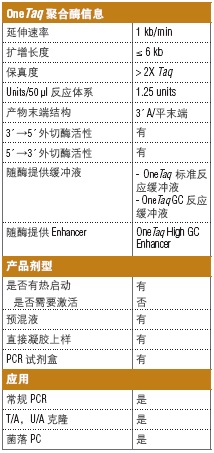
合酶与 Deep Vent DNA 聚合酶的混合物,可用于常规与复杂的 PCR 实验。Deep Vent DNA 聚合酶的 3´→5´ 外切酶活性提升了 Taq DNA 聚合酶的保真性和聚合能力。OneTaq 反应缓冲液与 High GC Enhancer的组合使得无论模板的 GC 含量高低,都只需最小的优化即能获得最高的产量。
OneTaq热启动 DNA 聚合酶
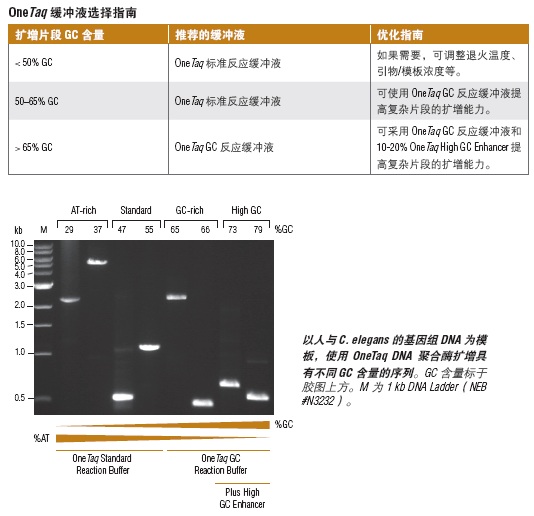
OneTaq 热启动 DNA 聚合酶利用核酸适配体(aptamer)作为抑制剂,不仅使用方便,而且减少了引物二聚体和其他次级产物对反应的干扰。 这种核酸适配体抑制剂能够与聚合酶发生可逆结合,当温度低于 45℃ 时抑制聚合酶活性,因而能够在室温下建立反应。在正常的热循环条件下 OneTaq 热启动 DNA 聚合酶即能被激活,无需额外的高温启动步骤。因此 OneTaq 热启动 DNA 聚合酶能够替换常规的或现有的基于 Taq DNA 聚合酶的 PCR 反应。 与 OneTaq 热启动 DNA 聚合酶一同提供的有标准反应缓冲液、GC 反应缓冲液和 High GC Enhancer。 根据模板的 GC 含量选择缓冲液的建议见下文。
3M Eaecom Motorola 3.5MM MTM01 is one of the many quality laboratory and scientific products we have to offer at very competitive pricing. 3M Eaecom Motorola 3.5MM MTM01 / 89006-064 is part of a wide selection of 3M Cleanroom apparel. Combining excellent quality with an affordable price, the 3M Eaecom Motorola 3.5MM MTM01 / 89006-064 can meet your scientific research needs while still offering a good value for a budget conscious end user. If you have any questions about any of our Cleanroom apparel please do not hesitate to contact our customer service for further guidance.
Specifications for 3M Eaecom Motorola 3.5MM MTM01:
Description:
EAECOM MOTOROLA 3.5MM
Unit:
Each
(Please note that the description and stock photo may not correspond to the specific model listed above)
For a complete list of products offered by 3M please visit our 3M page. Don’t forget to check out the extensive collection of 3M Cleanroom apparel and a wide array of Cleanroom apparel from other quality brands. We offer FREE SHIPPING on most products over the value of $49.95. You may reach us by phone, email or live chat! We have a 100% Satisfaction Guarantee to ensure that every laboratory product you receive is exactly what you are looking for! Contact us TODAY! Filling out our RFQ is very simple and we are more than happy to have the opportunity to work with your procurement department to get the best quote for any particular product you have in mind.